Everyday Intelligence: How AI Shapes Our Daily Lives
- Anya Kunder
- Oct 9, 2025
- 3 min read


Artificial Intelligence (AI) is no longer a distant concept from science fiction or research labs—it’s woven seamlessly into our everyday routines. From the moment we wake up to when we go to sleep, AI influences how we communicate, work, travel, shop, and even rest. It operates quietly in the background, making life more convenient, efficient, and personalized than ever before.
1. AI in Our Morning Routine
Many of us start the day with AI without even realizing it. When a smartphone alarm adjusts to your sleep cycle or a smartwatch analyzes your sleep quality, that’s AI at work. Voice assistants like Siri, Alexa, or Google Assistant use natural language processing to respond to simple commands—playing music, reading the news, or reminding you of your first meeting. Even weather forecasts rely on AI models that process enormous datasets to predict temperature, rainfall, and air quality with greater precision.
2. Smarter Communication and Information
AI helps us connect and stay informed. Email apps use machine learning to filter spam and suggest replies. Social media platforms employ AI to curate our feeds, detect harmful content, and even recommend people we might know. While this personalization enhances engagement, it also highlights the double-edged nature of AI—raising important conversations about privacy, echo chambers, and digital well-being.
3. AI in Work and Productivity
Whether you’re a student, professional, or entrepreneur, AI tools likely play a part in your workflow. Features like grammar correction, predictive typing, and smart scheduling are powered by AI systems trained on massive datasets of language and user behavior. Platforms such as ChatGPT or Notion AI assist in writing, brainstorming, and summarizing information, turning once time-consuming tasks into quick, collaborative processes. In industries, AI-driven analytics help companies forecast trends, manage supply chains, and personalize customer experiences.
4. AI on the Move
Transportation has been revolutionized by AI. Navigation apps like Google Maps and Waze use real-time data to recommend the fastest routes, predict traffic jams, and even warn about road hazards. Ride-sharing services such as Uber or Lyft use AI to match riders with drivers efficiently, calculate dynamic pricing, and ensure route optimization. Beyond that, self-driving technology is rapidly advancing, aiming to reduce accidents, lower emissions, and make travel safer and more sustainable.
5. AI in Shopping and Entertainment
Online shopping experiences are deeply personalized thanks to AI. When Amazon suggests products or Netflix recommends a movie, algorithms are analyzing your past choices, search history, and preferences to predict what you might like next. Similarly, in music streaming, platforms like Spotify use AI to create custom playlists tailored to your mood or time of day. These experiences reflect how AI has made consumption not only faster but also more intuitive and enjoyable.
6. AI in Healthcare and Wellness
AI’s role in healthcare is one of its most transformative applications. Wearables like Fitbit or Apple Watch monitor heart rate, sleep patterns, and activity levels—alerting users to potential health concerns. Hospitals employ AI for early diagnosis of diseases through medical imaging, predicting patient outcomes, and even managing hospital logistics. On the mental health front, chatbots and virtual therapists provide support and counseling, making care more accessible and less stigmatized.
7. AI at Home
Smart home devices have redefined domestic comfort. AI-enabled thermostats learn your temperature preferences, smart fridges track expiration dates, and lighting systems adjust automatically to natural rhythms. These devices not only add convenience but also improve energy efficiency—making homes both smarter and greener.
8. Challenges and the Human Touch
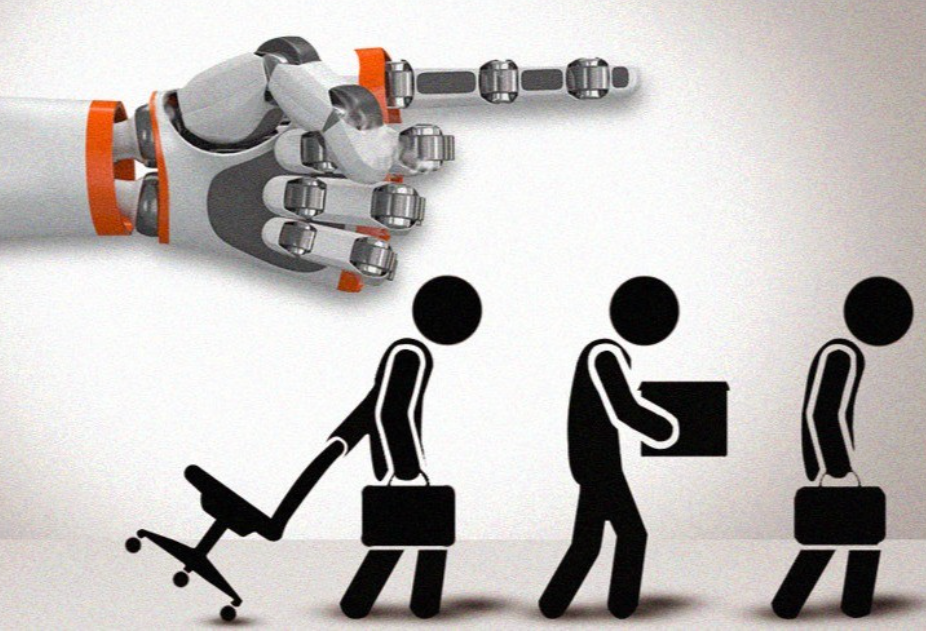
While AI enhances convenience and efficiency, it also raises important ethical and social questions. Data privacy, algorithmic bias, and job automation are growing concerns that require balance and regulation. The challenge lies in using AI responsibly—ensuring it augments human capabilities without replacing empathy, creativity, or ethical judgment.


Comments